Key West's Authentic Cuban Cooking: Recipes & Cultural Roots
Cuban home cooking blends Spanish, African and Caribbean influences into a straightforward, ingredient-forward cuisine built on slow braises, punchy marinades and citrus brighteners.

Mastering traditional Cuban meals means understanding the techniques that define the cuisine — slow braising, citrus marinades, sofrito, and the rhythm of rice and beans. At El Mesón de Pepe, these techniques have been preserved at Mallory Square since 1986, carried from Cuba by our founder, Pepe Díaz. This guide breaks down the methods behind authentic Cuban cuisine.
The Foundation: Sofrito
Nearly every Cuban dish begins with sofrito — a base of finely diced onions, garlic, and green bell pepper, sautéed slowly in oil until soft and fragrant. Sofrito is the Cuban equivalent of the French mirepoix or the Spanish refogado. It is the flavor foundation for stews, rice dishes, and bean pots. Getting sofrito right — slow, patient, never rushed — is the first step to mastering Cuban cooking. Read our guide to Cuban food for more on the basics.
The Marinade: Mojo
Mojo is the soul of Cuban flavor. Made from sour orange juice (or a mix of orange and lime), garlic, cumin, and oregano, it is the marinade for lechón asado and the sauce for yuca. The key is balance — the acidity must be bright but not harsh, the garlic present but not overwhelming. Mojo is what makes Cuban pork taste Cuban. Learn more in our traditional Cuban cuisine guide.
The Technique: Slow Braising
Cuban food rewards patience. Ropa vieja — the national dish — requires flank steak to be braised for hours until it shreds effortlessly. Lechón asado needs a long, slow roast for the pork to become tender and the mojo to penetrate every fiber. This is peasant cooking at its finest: inexpensive cuts transformed through time and technique. Read our must-try dishes guide to see the results.
The Sides: Rice, Beans, and Plantains
No Cuban meal is complete without the trinity of white rice, black or red beans, and plantains. Black beans (frijoles negros) are simmered with sofrito until creamy. Rice is cooked separate, fluffy and dry, to absorb the bean broth. Plantains — green tostones or sweet maduros — provide textural contrast. Read our recipes guide to try them at home.
Taste the Mastery at Mallory Square
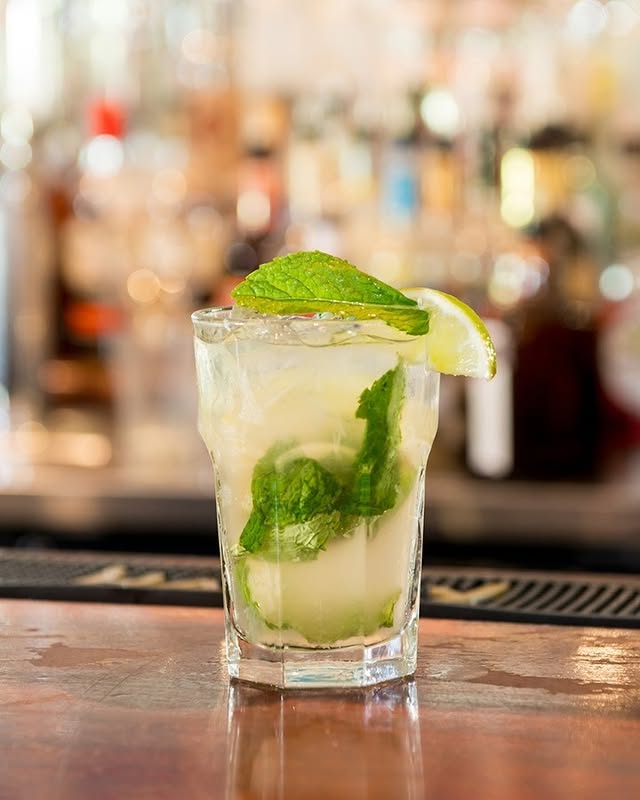
The best way to understand these techniques is to taste the results. Visit El Mesón de Pepe at Mallory Square, browse our menu, and experience the full range of Cuban cooking with live music and mojitos on the patio. Whether you are coming from the cruise port or staying in Old Town, it is the most authentic Cuban dining experience in Key West.
Visit Us at Mallory Square
Authentic Cuban flavors, live music, and the best sunset views in Key West at Mallory Square.