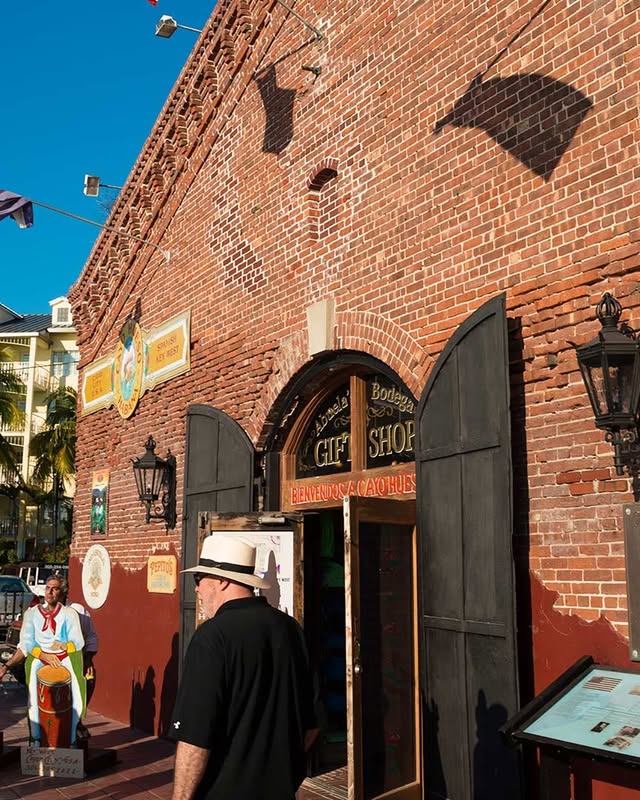
The Cuban History That Helped Shape Key West
From cigar makers and sailors to José Martí, Cuban food, music, and migration, Key West has long carried the rhythm and resilience of Cuban culture.
A Shared History Across the Water
Key West and Cuba have always been connected by the water between them. For generations, sailors, cigar makers, fishermen, families, and revolutionaries carried food, language, music, and traditions across the Florida Straits.
In the 1800s, as the cigar industry boomed, thousands of Cubans migrated to Cayo Hueso (Key West). They didn't just bring their craft; they brought their culture, transforming the island into a vibrant extension of their homeland. Learn more about our Cuban Heritage.
“Key West did not just sit near Cuba. It was shaped by Cuba.”
Cigar Culture
Cuban cigar makers helped build communities, businesses, and political movements in Key West, laying an economic and cultural foundation that still defines the island.
Food & Family
Cuban recipes, garlic, citrus, plantains, rice, beans, and seafood became an inseparable part of the island’s daily flavor and family gatherings.
Freedom & Identity
Key West became an important sanctuary and organizing ground for Cuban independence, fostering a fierce sense of cultural pride and identity.
José Martí and the Cuban Spirit of Key West
Poet, revolutionary, journalist, and symbol of Cuban independence, José Martí found support, funding, and inspiration in Key West.
1853–1895
Poet • Revolutionary • Cuban Independence Leader
“Key West became a cradle of Cuban liberty.”
His words and his cause found refuge in Cayo Hueso. The San Carlos Institute, founded by Cuban exiles in 1871, welcomed him, and the island sustained the independence movement. The bond between Key West and Cuba—cultural, political, culinary—was cemented during this era and remains inseparable today.
A Brief Timeline of Key West and Cuban History
The milestones that forged a lasting cultural bond across the Florida Straits.
Migration & Trade
Cuban migration and maritime trade connect Key West and Cuba, establishing the first cultural exchanges.
Cigar Makers Arrive
Cuban cigar makers and families begin to settle in Key West, helping shape the island's economy and daily life.
A Hub for Independence
Key West becomes an important sanctuary and organizing ground for Cuban independence efforts against Spanish rule.
The Revolutionary Spirit
Martí speaks, writes, and organizes among Cuban communities in Key West, famously addressing crowds from the San Carlos Institute.
Cultural Roots Deepen
Cuban food, music, and culture remain a permanent part of Key West's identity, influencing generations of islanders.
Preserving the Legacy
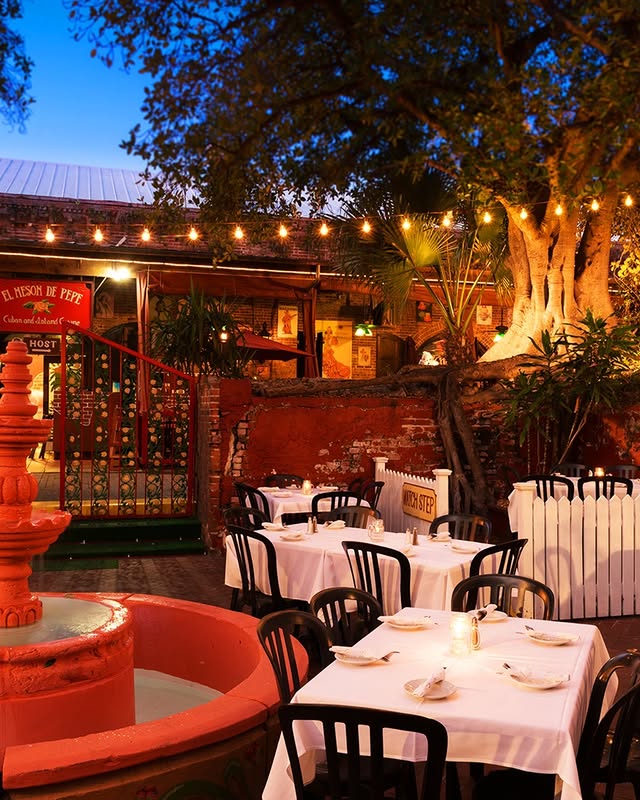
El Meson de Pepe preserves this history through authentic food, historic artifacts, live music, and family hospitality.
This History Still Lives at El Meson de Pepe
At El Meson de Pepe, Cuban history is not just something to read about. It is seen in the history displays, heard in the live music, tasted in the food, and felt in the family hospitality that has welcomed guests for over 40 years.
Explore Cuban Culture & Key West History
The Story of El Mesón de Pepe
From Yaguajay, Cuba to Mallory Square — the family legacy behind our restaurant.
History of Havana, Cuba
The deep connection between Havana and Key West before and after the Revolution.
The History of Cigar Making in Key West
From William Wall's first cigar factory to the Cuban migration that shaped the island.
The History of Bacardi Rum
How Bacardí revolutionized rum-making in Cuba in 1862 and created a global legacy.
Mastering Traditional Cuban Meals
The cultural roots and cooking techniques behind Cuban home cooking.
Family-Owned Restaurant in Key West
What it means to be a family-owned Cuban restaurant at Mallory Square for 40+ years.